The Monster We Built—and How Palliative Care Can Slay It
Let’s stop pretending that our health system is anything other than a Frankenstein’s monster stitched together from billing codes, productivity metrics, and cultural myths about heroism in medicine.


Let’s stop pretending that our health system is anything other than a Frankenstein’s monster stitched together from billing codes, productivity metrics, and cultural myths about heroism in medicine. We’ve built a creature that doesn’t heal—it consumes. It chews through clinicians, patients, and families alike, reducing human beings to isolated problems on a spreadsheet. And every time we double down on transactional care, we feed the beast.

Here’s the truth: patients are not diagnoses. They are not DRGs. They are not “throughput.” They are whole persons embedded in webs of relationships, meaning, and vulnerability. Yet our policies and payment structures incentivize fragmentation. We reward procedures over presence, volume over value, and speed over sense. The result? A system that is efficient at generating revenue and catastrophically bad at delivering humane care.
Specialist palliative care teams already embody the antidote. They are the quiet revolutionaries in a system addicted to intervention:
- Interprofessional collaboration that integrates medicine, nursing, social work, and chaplaincy—not as silos, but as a chorus.
- Relational care models that prioritize dignity, communication, and shared decision-making over the tyranny of the clock.
- System-level efficiency by reducing unnecessary interventions and aligning care with what patients actually want.
But here’s the rub: policy still treats palliative care as an afterthought, a “nice-to-have” rather than a core strategy for quality and equity. And the traditional fee-for-service model is starving palliative care of it's interprofessional magic. That’s malpractice at the system level. From a policy perspective, here’s what needs to happen—yesterday:
- Reframe palliative care as a quality and equity strategy focused on wellness. If your definition starts at hospice, you’re already late.
- Incentivize team-based care through payment models that reward outcomes like symptom control, family support, and goal-concordant care—not just procedures.
- Embed palliative care in serious illness pathways—not as an optional consult, but as a standard of care baked into every disease-specific guideline.
- Fund workforce development to expand interprofessional training and address shortages before the demographic tsunami hits.
If we want to move beyond the abominable creature of fragmented, transactional care, we need to stop tinkering at the margins and start legislating for humanity. Specialist palliative care teams aren’t a luxury—they’re the blueprint for a system that remembers what medicine is for.
Call to Action: Policymakers, stop writing checks to the monster. Clinicians, stop apologizing for wanting to practice whole-person care. Demand payment reform. Demand integration. Demand that dignity and relationship become metrics that matter. Because if we don’t, the creature wins—and we all lose.
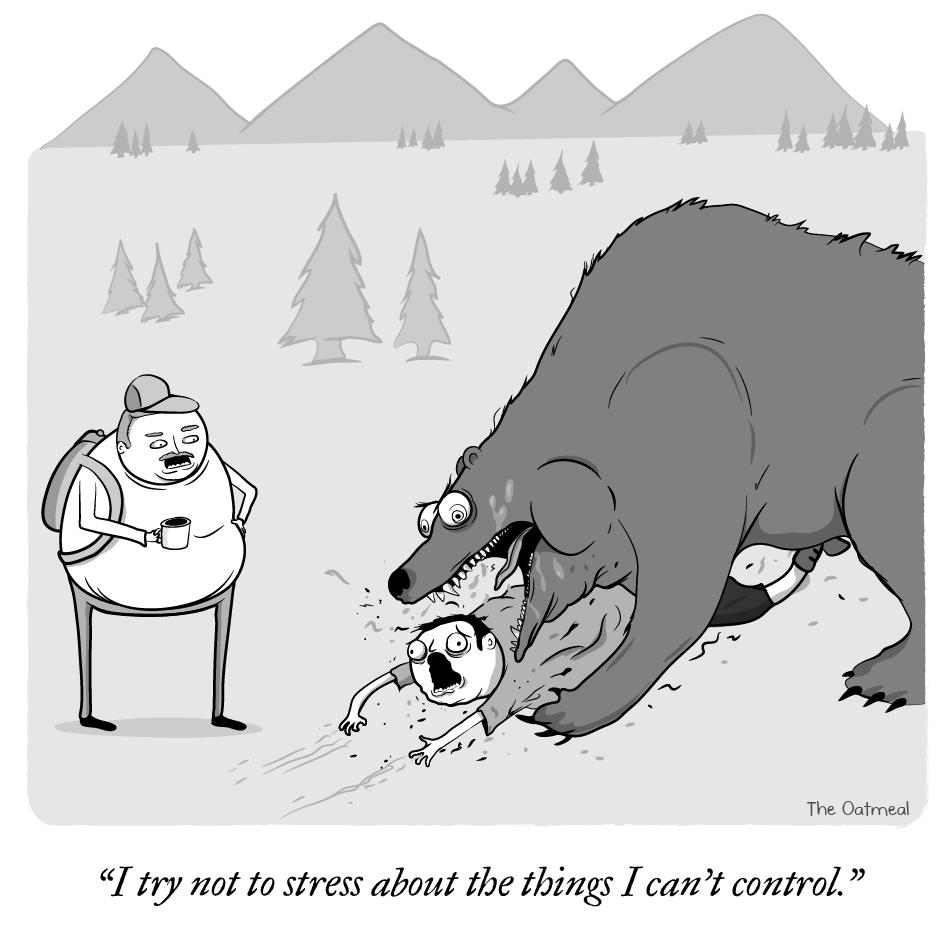
If we know the antidote exists, what excuse do we have for letting the monster roam free?
I am a palliative care physician, educator, and professional strategery expert. Known for turning rounds into rants and rants into teaching points. Rounds & Rants represents my views — not those of any organization or professional membership organization where I hold a role. I don't write on their behalf and they don't vet what I publish.