
Hows & Whys
The Work Beneath the Conversation: The Workaround
Operations research has a name for what a palliative care consult does to a system failure. The name explains why the failure keeps happening.

Hows & Whys
Operations research has a name for what a palliative care consult does to a system failure. The name explains why the failure keeps happening.

Communication Skills
There's a word for the part of our job nobody can see. Sociologists have had it since the 1980s. We were never trained in the discipline that keeps it.

Systems Thinking
What Specialist Palliative Care has is concentration and repetition—we are in these rooms constantly, so we have gotten fast at reading which belief has seized and where the opening is. Scarcity does a great deal of the work in making that look like something only we possess.

Communication Skills
The asking is the easy part. It's the move that lets you leave the room with clean hands, a documented preference, and a man who will get chest compressions he never wanted.

Spicy
The delivery models our best researchers are building don't use the binary. They use tiers, triggers, defaults, dose-response logic, and precision targeting.

Changing the World
Palliative care must keep the bullshit filter intact, and stop letting our most consequential work get filed under "support." That is systems translation: converting symptoms, values, family dynamics, prognostic reality, and institutional constraints into care plans the system can actually execute.

Communication Skills
The distinction between a recommendation and a coercion is the moral architecture of palliative care. When that distinction collapses in the broader culture, we lose the ground we stand on.

Communication Skills
Here's what I think is happening—quietly, unevenly, and faster than our field is tracking: the foundational architecture of serious illness communication is being restructured by a force we didn't design, don't control, and in many cases don't even know is in the room.

Hows & Whys
Walk into the website of any cancer center built or rebranded in the last five years and you will find palliative care's vocabulary doing work it didn't sign up for. Symptom management. Whole-person care. Goals of care. Supportive care. The words are everywhere. The specialty is harder to find.

Changing the World
What if the reason ACP underdelivers isn't that we do too little of it, but that we've misunderstood what it's for? The answer lives in an unlikely place for a clinical field: behavioral economics.

Health Policy
We work in the places where evidence gets thin, emotions run hot, and the mysteries are real. It is the exact territory where sectarian certainty rushes in with confident answers, unfalsifiable frameworks, and the seductive promise that someone, somewhere, has figured it all out.
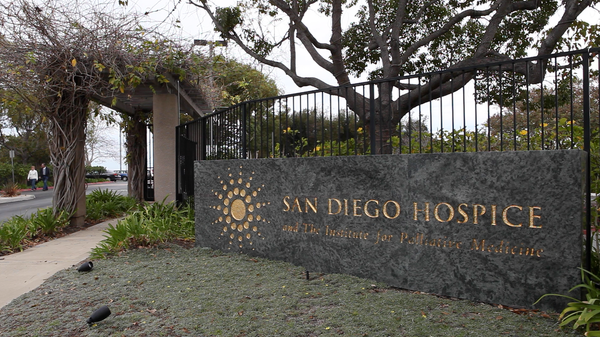
Hospice
How a “Mother Ship” Was Built: Ethos, Scale, and Blind Spots I trained at San Diego Hospice. In fact I was part of the last class of fellows. That sentence carries weight I've been unpacking ever since. SDH shaped how I think about dying, how I talk to